The AI Construction Boom is Here. Are You Ready for Data Center Work?

The AI Construction Boom is Here. Are You Ready for Data Center Work?

Back
The AI Construction Boom is Here. Are You Ready for Data Center Work?
What should contractors consider before pursuing data center construction projects? Data center construction is creating lucrative opportunities across a wide range of trades, but these projects can come with demanding schedules, complex systems, significant labor needs, and substantial upfront costs. Before bidding, contractors should evaluate whether they have the experience, workforce, financial capacity, and operational resources to take on the project successfully.

Listen to this post

The AI Construction Boom is Here. Are You Ready for Data Center Work?
11:17

Post Summary

Why is data center construction growing rapidly and what is driving contractor demand?
Artificial intelligence adoption is expanding at a rapid pace, with 88% of organizations now using AI according to Stanford's 2026 AI Index. As technology companies race to build more physical infrastructure to support AI models, cloud applications, and data-intensive operations, demand for skilled contractors across a wide range of trades is rising. Major players including OpenAI, Google, and Meta are investing heavily in workforce development programs to expand the pool of skilled construction workers available to build this infrastructure.
What types of contractors can participate in data center construction projects?
Data center construction draws on expertise across many trades including electrical, mechanical and HVAC, plumbing and piping, concrete and structural steel, excavation and site development, utility and energy infrastructure, fire protection, building controls and automation, low-voltage security and communications, and roofing and building envelope systems. Depending on the project, contractors may work directly with the owner, under a general contractor, or as part of a larger subcontracting team.
How does data center construction differ from traditional commercial construction?
Four characteristics distinguish data center projects from standard commercial work. Systems are more complex and interdependent, meaning delays or quality issues in one trade can affect multiple others and delay the facility's operation start date. Schedules are aggressive with tight timelines, overtime requirements, and limited flexibility for delays. Mission-critical expectations are higher, with owners requiring strict quality control, testing, documentation, safety, and commissioning standards. Long-lead materials including specialized electrical components, generators, cooling systems, and controls require early ordering decisions and the financial capacity to support associated upfront costs.
What four fit categories should contractors evaluate before bidding a data center project?
Project fit — whether the scope, size, location, schedule, and technical requirements align with the contractor's core expertise. Customer and contract fit — including the identity of the project owner or general contractor, payment terms, schedule and risk provisions, and the process for handling changes and delays. Resource fit — whether the contractor has experienced managers available, can meet labor and equipment requirements, can secure needed materials within the timeline, and can support the project without putting existing work at risk. Growth fit — whether the project aligns with the contractor's long-term growth strategy, builds worthwhile experience, offers profit worth the additional risk, and avoids over-reliance on one customer or market.
What steps can contractors take now to prepare for future data center opportunities?
Eight preparation steps apply: identifying which data center projects align with existing capabilities; building relationships with general contractors active in the sector; strengthening estimating and job-costing processes; developing a plan for future labor and recruitment needs; planning ahead for long-lead materials and equipment; strengthening safety, quality-control, and documentation procedures; keeping financial information accurate and current; and consulting with insurance, legal, banking, and surety professionals early in the process.

AI Growth Depends on Physical Infrastructure

Artificial intelligence (AI) is expanding at a rapid pace in 2026. According to Stanford's 2026 AI Index, 88% of organizations now use AI, demonstrating just how quickly the technology has become embedded in everyday business operations.

As technology companies race to build more AI infrastructure, the demand for skilled contractors is rising, with many industry players describing it as a "once-in-a-generation data center gold rush."

Participating in data center construction can be profitable for ambitious contractors. But before you bid, it’s important to look beyond the size of the opportunity and consider whether the project is a good fit for your business.

Below, we explain how you can assess whether your company is prepared to take on the demands that come with data center construction work and identify the right opportunities for your long-term growth.

Why Is Data Center Construction Growing Rapidly in 2026?

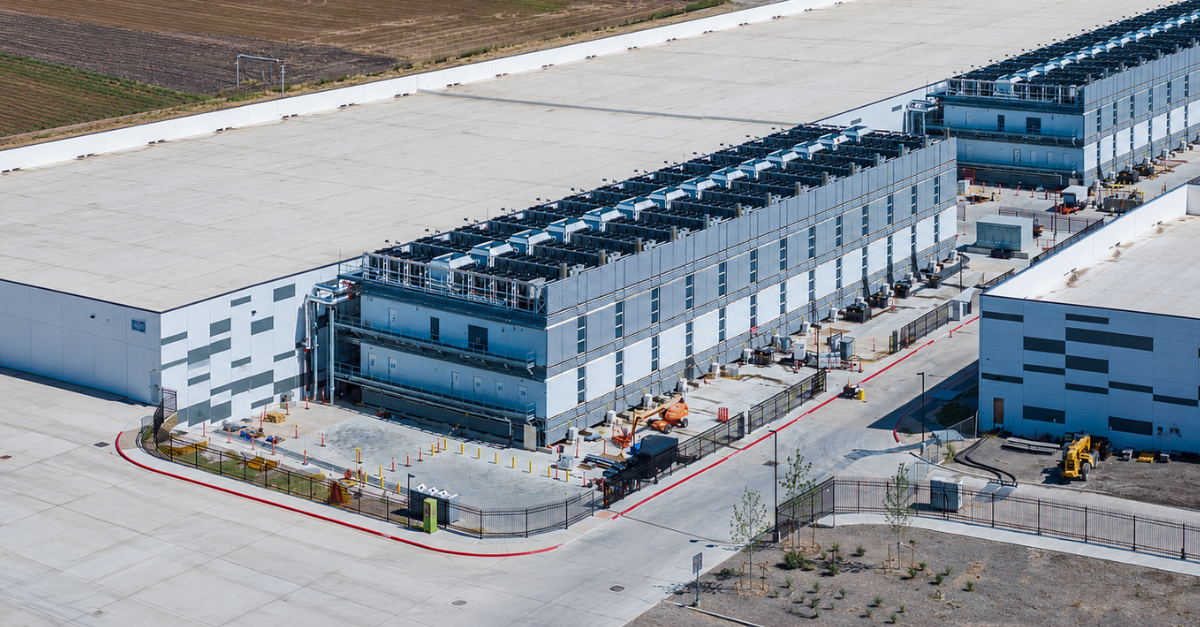
As AI becomes increasingly integral to business operations, tech companies need more physical infrastructure to support this growth. Data centers provide the storage and processing capacity required to run AI models, cloud applications, and other data-intensive technologies.

Many tech giants are currently racing to expand their data center capacity across the country. As a result, they’re competing for construction workers and investing heavily in programs designed to expand skilled-trade training pipelines. Just take a look at these examples:

  • OpenAI: OpenAI has partnered with North America's Building Trades Unions to help develop the skilled workforce needed to build its AI infrastructure projects.
  • Google: As part of a $50 million initiative, Google is supporting an effort to increase annual electrical apprenticeship enrollment from 19,500 to 30,000 over the next three years.
  • Meta: Meta has committed $115 million to the first year of a multiyear workforce initiative to provide training to approximately 5,000 construction workers.

These investments are designed to expand the skilled workforce available to build the data centers needed to support continued AI growth. And while the facilities themselves require substantial construction labor, the opportunities don’t stop there. Data center developments may also require site preparation, utility infrastructure, power systems, and other supporting construction work.

What Types of Contractors Can Participate in Data Center Projects?

Data center construction requires expertise across a wide range of specialized trades. Contractors with experience in the following areas may be well positioned to pursue data center work:

  • Electrical
  • Mechanical and HVAC
  • Plumbing and piping
  • Concrete and structural steel
  • Excavation and site development
  • Utility and energy infrastructure
  • Fire protection
  • Building controls and automation
  • Low-voltage, security, and communications
  • Roofing and building-envelope systems

Your data center opportunities depend on your trade specialty and experience. Depending on the project, you may contract directly with the owner, work under a general contractor, or join a larger subcontracting team.

What Makes Data Center Construction Different?

Data center projects differ from traditional commercial construction in several ways. These projects often feature:

  • More complex and interconnected systems: Data centers rely on highly coordinated electrical, mechanical, cooling, power, and communications systems. Any delays or quality issues can affect multiple trades and potentially delay the facility's operation start date.
  • Aggressive schedules: Most data center project owners are eager to complete construction quickly. These projects often have tight timelines, overtime requirements, and limited flexibility for delays, placing additional pressure on your workforce, equipment, suppliers, and project management team.
  • Mission-critical expectations: Data centers are designed to operate continuously and reliably, heightening project owners’ expectations surrounding contractors’ quality control, testing, documentation, safety, commissioning, and change management.
  • Long-lead materials and equipment: Data center construction often requires specialized electrical components, generators, cooling systems, controls, and other equipment with long lead times. Before bidding, it's important to consider when you must order this critical equipment and whether you can comfortably support the associated costs.

Read More: Federal Projects Are Picking Up — Are You Ready to Bid?

Is Your Company Operationally Ready for Data Center Work?

While data center construction presents worthwhile opportunities, it’s important to assess your readiness before placing a bid. Some contractors have the technical capabilities to execute these projects, but lack the operational capacity.

You can evaluate whether you’re operationally ready for data center work by asking the following questions:

  • Do you have experienced project managers and superintendents available?
  • Can you recruit or retain enough skilled labor?
  • Can your current systems handle a larger or faster-moving project?
  • Do you have reliable suppliers and subcontractors?
  • Can your safety and quality-control programs meet project expectations?
  • Will the project interfere with your existing commitments?

Landing a major contract won't benefit your business if fulfilling it leaves your existing projects understaffed or stretches your management team beyond its capacity.

Can Your Business Support the Financial Demands?

Operational capacity isn't the only consideration. Larger data center projects may also require you to spend substantial amounts of money before receiving payment. Depending on the contract, you may need to fund:

  • Payroll
  • Mobilization
  • Material deposits
  • Equipment purchases or rentals
  • Insurance and bond premiums
  • Stored materials

Retainage and delayed change-order payments can also create cash-flow pressures.

For these reasons, it’s important to consider your available working capital, credit, payment terms, and cash-flow timing before you bid. A large contract value can look attractive, but the project still needs to make financial sense for your business.

Read More: How Smart Financial Planning Helps Contractors Win Bigger Projects and Drive Growth

Do You Need Previous Data Center Experience?

Not always. You can demonstrate that you possess relevant skills and experience for data center work by showcasing your history with the following types of complex projects:

  • Hospitals
  • Manufacturing facilities
  • Power generation plants
  • Utility infrastructure
  • Laboratories
  • Telecommunications facilities
  • Government or defense projects

If you're new to data center construction, consider starting with projects that let you build relevant experience without taking on more than your business can comfortably support. This may mean pursuing a smaller or more familiar scope, choosing a manageable contract size, or subcontracting under a general contractor with established data center experience.

Read More: Federal Construction Projects: A Readiness Guide for Specialty Subcontractors

How to Evaluate Data Center Opportunities

As you explore potential data center development projects, contract value shouldn't be the only factor guiding your decision to bid. Some other aspects to consider include:

Project Fit

  • Is the project scope within your company’s core expertise?
  • Is the project a manageable size for your business?
  • Is the location practical?
  • Are you comfortable with the schedule and technical requirements?

Customer and Contract Fit

  • Who is the project owner or general contractor?
  • Are you comfortable with the payment terms?
  • Are the schedule and risk provisions manageable?
  • Is there a clear process for changes and delays?

Resource Fit

  • Do you have experienced managers available to oversee the project?
  • Can you meet the project’s labor and equipment requirements?
  • Can you secure the materials you need within the project timeline?
  • Can you support the project without putting your existing work at risk?

Growth Fit

  • Does the project align with your long-term growth strategy?
  • Will the project build worthwhile experience for your goals?
  • Is the potential profit worth the additional risk?
  • Will the project make you too reliant on one customer or market?

After reviewing these factors, you can determine whether the opportunity makes sense for your business and identify any concerns you may need to address before bidding. Expanding into data center construction can be exciting, but turning down or delaying projects that aren’t the right fit is often the most responsible business decision.

Read More: What to Know Before You Bid: How Backlog Can Affect Bond Approval

How to Prepare for Future Data Center Work

Even if you’re not ready to bid on a data center project just yet, you can prepare your business for future opportunities by:

  • Identifying which data center projects align with your existing capabilities
  • Building relationships with general contractors in the sector
  • Strengthening your estimating and job-costing processes
  • Developing a plan for future labor and recruitment needs
  • Planning ahead for long-lead materials and equipment
  • Strengthening your safety, quality-control, and documentation procedures
  • Keeping your financial information accurate and up to date
  • Discussing your goals with your insurance, legal, banking, and surety professionals

In Part 2 of this data center construction series, we'll explain how pursuing data center work may affect your bonding capacity, what sureties consider during prequalification, and when you may need performance and payment bonds.

Read More: Why Prequalification Matters Before You Bid on a Construction Project

The Bottom Line: Pursue the Right Opportunity, Not Just the Largest One

The data center construction boom is creating significant construction opportunities. Your success in this sector ultimately depends on your ability to pursue projects that align with your experience, workforce, management resources, financial capacity, and existing backlog.

By taking a disciplined approach to your growth, you can gain data center experience without putting the rest of your business at risk.

Considering a data center project or another opportunity that could significantly increase your workload? Talk with BOSS Bonds before you bid. Our team can help you evaluate how the project fits within your current bond program and determine what you need to prequalify for the work.

Sources:

Stanford. Artificial Intelligence Index Report.

https://hai.stanford.edu/assets/files/ai_index_report_2026.pdf

The New York Times. A.I. Companies Are Recruiting Electricians and Carpenters by the Thousands.

https://www.nytimes.com/2026/07/29/business/economy/data-center-electricians-training.html

Key Points

Why is the AI-driven data center construction boom creating significant opportunities for contractors in 2026?

  • Artificial intelligence adoption has reached a scale that requires massive physical infrastructure investment — according to Stanford's 2026 AI Index, 88% of organizations now use AI, a penetration level that translates directly into sustained demand for the data centers, power systems, and utility infrastructure needed to support continued AI growth.
  • Major technology companies are competing aggressively for construction workers and investing in training pipelines — OpenAI has partnered with North America's Building Trades Unions to develop skilled workforce capacity for its AI infrastructure projects; Google is supporting a $50 million initiative to increase annual electrical apprenticeship enrollment from 19,500 to 30,000 over three years; Meta has committed $115 million to the first year of a multiyear workforce initiative targeting approximately 5,000 construction workers.
  • The construction opportunity extends well beyond the data center buildings themselves — data center developments may also require site preparation, utility infrastructure, power systems, and other supporting construction work that creates entry points for contractors across a broad range of trade specialties.
  • Industry observers have described the moment as a once-in-a-generation data center gold rush — the combination of scale, urgency, and sustained investment from technology companies creates a pipeline of construction opportunities that extends across multiple years and geographies rather than representing a single concentrated wave.
  • Both large and smaller contractors can participate — smaller and mid-sized contractors can pursue data center construction by taking on projects that align with their trade expertise, working on supporting infrastructure, or subcontracting under larger contractors with established data center relationships.
  • The growth in demand for skilled labor is creating conditions where prepared contractors have meaningful negotiating leverage — contractors who have invested in workforce capacity, relevant experience documentation, and surety readiness are positioned to access opportunities that underprepared competitors cannot reach.

What makes data center construction operationally more demanding than traditional commercial projects?

  • Data centers rely on highly complex and interconnected systems that require precise coordination across trades — electrical, mechanical, cooling, power, and communications systems must all function together from day one of operation, meaning any delays or quality issues introduced by one trade can cascade across multiple others and potentially delay the facility's operation start date.
  • Aggressive schedules create sustained pressure on workforce, equipment, suppliers, and project management — data center project owners are eager to complete construction quickly, and most projects feature tight timelines, overtime requirements, and limited flexibility for schedule slippage, placing demands on the contractor's operational infrastructure that standard commercial projects rarely match.
  • Mission-critical expectations elevate quality control, testing, documentation, and commissioning standards — data centers are designed to operate continuously and reliably from the moment they go live, and owners hold contractors to correspondingly high standards across every phase of the work from safety protocols through final commissioning.
  • Long-lead materials and equipment require early ordering decisions and the financial capacity to carry associated costs — specialized electrical components, generators, cooling systems, controls, and other data center-specific equipment often have extended lead times that must be factored into the bid and the project's cash-flow timeline before the contractor commits to the schedule.
  • These combined characteristics mean that operational capacity gaps that might be manageable on a standard commercial project can become critical problems on a data center project — contractors who have the technical skills to execute the work but lack the management depth, workforce scalability, supplier reliability, or financial cushion to sustain a demanding schedule face execution risk that is amplified by the mission-critical nature of the facility.
  • Understanding these distinctions before bidding — not after award — is what separates contractors who grow successfully through data center work from those who find the experience financially and operationally damaging — the due diligence required before submitting a bid is proportional to the demands the project will place on the business.

How should contractors assess their operational readiness for data center work?

  • The first assessment dimension is management capacity — contractors should honestly evaluate whether they have experienced project managers and superintendents available to oversee the project without pulling critical leadership from existing jobs, as management depth is frequently the binding constraint that limits a contractor's ability to take on more complex or faster-moving work.
  • The second dimension is workforce availability and scalability — contractors must assess whether they can recruit or retain enough skilled labor to meet the project's requirements, given that the data center construction sector is actively competing for the same skilled trades that all contractors draw from.
  • The third dimension is systems and process capacity — contractors should ask whether their current estimating, job-costing, safety, quality-control, and documentation systems can handle a larger or faster-moving project without creating gaps that expose the business to performance or compliance risk.
  • The fourth dimension is supply chain reliability — having reliable suppliers and subcontractors who can meet the material and lead-time requirements specific to data center construction is a prerequisite that cannot be assembled during execution; these relationships must exist before the project begins.
  • The fifth dimension is existing workload compatibility — contractors must evaluate whether the data center project will interfere with existing commitments by creating resource conflicts, timeline overlaps, or cash-flow pressures that compromise either the new project or the work already underway.
  • The honest answer to these five questions determines whether a contractor should bid, prepare and wait, or pursue a more limited entry point such as a subcontracting role under an established data center GC — landing a major contract that the business cannot operationally support is not a growth win; it is a risk that can damage the contractor's financial position, surety relationship, and reputation simultaneously.

What financial considerations must contractors evaluate before bidding data center projects?

  • Larger data center projects may require substantial upfront spending before the contractor receives payment — depending on the contract, the contractor may need to fund payroll, mobilization, material deposits, equipment purchases or rentals, insurance and bond premiums, and stored materials from their own working capital before the first progress payment arrives.
  • Retainage and delayed change-order payments create additional cash-flow pressure throughout the project — retainage holdbacks reduce the cash available from progress payments, and change orders that are slow to be approved and paid create gaps between the cost of performing additional work and the receipt of compensation for it.
  • Working capital, credit availability, payment terms, and cash-flow timing must all be evaluated before committing to the project — a large contract value can appear attractive without accounting for the timing mismatch between costs incurred and payments received, and contractors who have not modeled this timing carefully can find themselves cash-constrained even on profitable projects.
  • The financial demands of a data center project can affect the contractor's capacity to fund existing work — drawing down available credit or working capital to support a new project reduces the financial buffer available to the rest of the business, creating fragility that compounds if any project encounters payment delays or cost overruns.
  • Surety underwriters will evaluate the contractor's financial position as part of any bond underwriting for the project — contractors who want to access bonded data center opportunities need current, accurate, and well-organized financial statements that reflect their available working capital, existing debt, and cash-flow position accurately.
  • The financial evaluation should happen before the bid is submitted, not after the contract is awarded — contractors who discover cash-flow constraints or credit limitations after winning a data center project face a significantly more difficult set of options than those who identify these factors during the pre-bid evaluation and make the bid decision with full financial clarity.

How should contractors evaluate whether a specific data center opportunity is the right fit for their business?

  • Project fit is the first evaluation dimension — contractors should assess whether the project's scope falls within their core trade expertise, whether the size is manageable relative to their current capacity, whether the location is practical given their workforce and supplier geography, and whether they are comfortable with the schedule and technical requirements before investing time in a full bid.
  • Customer and contract fit is the second dimension — the identity of the project owner or general contractor matters because payment practices, communication styles, and risk allocation philosophies vary significantly across data center developers; contractors should also evaluate whether the payment terms, schedule provisions, risk allocations, and change-order processes in the contract are acceptable before committing.
  • Resource fit is the third dimension — contractors must confirm that experienced managers are available to oversee the project, that labor and equipment requirements can be met without compromising existing commitments, that required materials can be secured within the project timeline, and that supporting the new project will not put existing work at risk.
  • Growth fit is the fourth dimension — the right data center opportunity should align with the contractor's long-term growth strategy, build experience that advances their goals, offer profit commensurate with the additional risk, and avoid creating over-reliance on a single customer or market that could make the business fragile if that relationship changes.
  • Turning down or delaying a project that does not meet these criteria is often the most responsible business decision — the article is explicit on this point: a disciplined approach to pursuing only the right opportunities is what enables contractors to gain data center experience without putting the rest of their business at risk.
  • Contractors who are not ready to bid today can use the evaluation framework to identify the specific gaps they need to close before pursuing the sector — building relationships with data center GCs, strengthening estimating and job-costing processes, developing labor recruitment plans, planning for long-lead materials, and keeping financial information current are all preparatory steps that move the contractor closer to readiness without requiring them to take on work they cannot support.

How can BOSS Bonds help contractors evaluate data center opportunities and prepare for bonding requirements?

  • BOSS Bonds can help contractors evaluate how a data center project fits within their current bond program before they submit a bid — understanding current bonding capacity relative to the project's potential bond requirements is information the contractor needs during the bid evaluation phase, not after the contract is awarded.
  • Data center projects may require bid, performance, or payment bonds depending on the owner, general contractor, financing structure, and contract terms — the specific bonding requirements vary by project, and BOSS Bonds can help contractors identify what will be required for a specific opportunity and whether their current bonding position can support it.
  • BOSS Bonds is developing a Part 2 resource on data center construction bonding — the follow-up article will specifically address how pursuing data center work may affect bonding capacity, what sureties consider during prequalification for this type of work, and when performance and payment bonds are most likely to be required.
  • Contractors who are exploring data center opportunities for the first time benefit from early surety engagement — BOSS Bonds can review the contractor's current financial position, WIP schedule, and bonding capacity to identify any gaps that need to be addressed before the contractor pursues work at a scale or complexity level new to their business.
  • BOSS Bonds works with multiple surety markets — broader market access means contractors are not limited to a single carrier's underwriting criteria when pursuing data center bonding, and BOSS Bonds can identify the surety market best suited to the contractor's specific trade, financial profile, and project history.
  • The contractors best positioned to benefit from the data center construction boom are those who talk to BOSS Bonds before identifying a specific project, not after — preparation that happens before a bidding opportunity arises creates the options and capacity needed to respond when the right project appears; preparation that begins after the bid deadline has already been missed creates only pressure.

What's the next best step?
If you're considering a data center opportunity, review how the project fits your current capabilities and consult with BOSS Bonds early in the bidding process.

Get latest articles directly in your inbox, stay up to date