How Franjo Construction’s Surety Partnership Helped Them Win $100M+ Projects

How Franjo Construction’s Surety Partnership Helped Them Win $100M+ Projects

By Staff Writer on March 25, 2026
Back
How Franjo Construction’s Surety Partnership Helped Them Win $100M+ Projects
Franjo Construction was founded by two brothers with a family background in construction. When Frank and Joe first started pursuing commercial projects, they faced a common setback: they couldn’t bid on public works due to their lack of bonding capacity. By building a relationship with a supportive surety partner, they steadily increased their bonding capacity, which eventually enabled them to bid on projects worth over $100 million and generate hundreds of millions of dollars in annual revenue.

Listen to this post

How Franjo Construction’s Surety Partnership Helped Them Win $100M+ Projects
9:23

Post Summary

How did Franjo Construction grow from startup to bidding on $100 million-plus projects?
By building a long-term surety partnership with BOSS Bonds, which provided a clear roadmap for improving their financial position, advocated for them with underwriters, and helped them steadily increase their bonding capacity from their first small public project through increasingly complex commercial work over two decades.
Why was Franjo Construction denied their first surety bond application?
Like many new contractors, Frank and Joe Leonello had limited financial history and no established project resume at the time of their first application, which made them ineligible under standard underwriting criteria despite their capability and commitment.
What made BOSS Bonds' approach different from other surety providers?
Rich Taylor at BOSS Bonds evaluated the Leonello brothers on character and long-term potential rather than balance sheet strength alone, outlined the specific steps they needed to take to qualify, and stayed with them through the process rather than simply declining the application.
How important is transparency in a contractor surety relationship?
Transparency is foundational. Frank and Joe Leonello credit open communication with BOSS Bonds as central to their growth, and their surety partner echoes that the ability to call anytime and share everything openly is what allowed the relationship to function as a genuine strategic partnership rather than a transactional one.
What was the significance of Franjo Construction's first bonded project?
The Peters Township bus garage project was the first bonded contract Franjo Construction won, and it created the momentum that led to every subsequent opportunity. Twenty-five years later, they are still working with the architect from that first project.Answer
What advice do the Franjo Construction founders offer to new contractors?
Frank and Joe Leonello both emphasize building an honest, committed relationship with a surety partner early, sharing everything the partner needs to know, and treating the bonding relationship as one of the most important business partnerships a contractor can have.

How Franjo Construction’s Surety Partnership Supported Remarkable Growth

When contractors want to pursue larger, more complex projects, their growth is often limited by their bonding capacity. Frank and Joe Leonello, founders of Franjo Construction, learned this difficult lesson early on in their journey.

After growing up and working alongside their father in the residential construction industry, the brothers set goals of their own. “We decided that our dream was to have our own commercial general contracting business,” explained Frank.

While Franjo Construction bids on and wins $100 million-plus projects today, its story began with the same bonding bottlenecks many new contractors face. Read on to learn how the right surety partnership transformed their dream into a reality, despite early setbacks.

Franjo Construction’s Dream to Build Something Bigger

The idea for Franjo Construction came to Frank and Joe in the 1980s. “It started when my brother and I both worked for my dad,” said Joe. “We always wanted to have our own construction business and run it together.”

The brothers formally established Franjo Construction in 1997. During the first few years, the company’s growth was slow. Joe and Frank took on small construction projects while continuing to work their full-time jobs.

Despite their modest momentum, their passion propelled them forward. “We just loved what we did and worked hard,” Joe said. Eventually, both brothers decided to fully commit to Franjo Construction, leaving their stable jobs behind. Not long after, they encountered their first major obstacle.

The Surety Bonding Roadblock

As the Leonello brothers pursued public commercial work, they quickly discovered that ambition and hard work weren’t enough to win bids. They needed surety bonds to qualify for their desired jobs. However, they knew very little about how to get bonded for construction projects at the time.

“The word ‘bond’ was something we had never heard before,” Joe admitted. Like many new contractors, Frank and Joe assumed getting bonded would be an easy process. “We thought it would be as simple as picking up the phone and saying, ‘Hey, we need a bond,’” Frank explained. “But it wasn’t that easy.”

After submitting their first surety bond application, the brothers were promptly denied. “With no resume or experience, it was really difficult for us to obtain work,” Joe said. This setback could have shaken their confidence and derailed their momentum, but instead, it put them on a path to finding a surety partner who would ultimately shape their future for long-term success.

Read More: The Essential Role of Surety Bonds in Keeping Your Contracting Business Compliant

Looking Beyond the Balance Sheet: The BOSS Bonds Approach

The Leonello brothers called their insurance company to find out how they could obtain a surety bond. Their insurer introduced them to Rich Taylor, BOSS Bonds’ current Vice President of Contract Surety, who immediately saw something in Frank and Joe that other surety providers didn’t.

“The brothers had great character,” Rich said. “Their capital was almost nonexistent, but I’d rather bond somebody with strong character than somebody with a strong balance sheet.” Instead of rejecting them outright, he took the time to:

  • Understand their growth goals.
  • Evaluate their current financial standing and potential.
  • Outline the steps they could take to qualify, including getting their father to co-sign on their first bond.

“Rich gave us an outline of what we needed to do in order to obtain a bond,” explained Joe. “He stuck with us and helped us figure it out.” This hands-on support set Rich apart from the other sureties they had approached.

“Rich stood out because he could see that we would succeed,” Frank confirmed. “He believed in our character.” Rich’s willingness to give the Leonello brothers a chance when no one else would is what ultimately helped Franjo Construction secure its first bond.
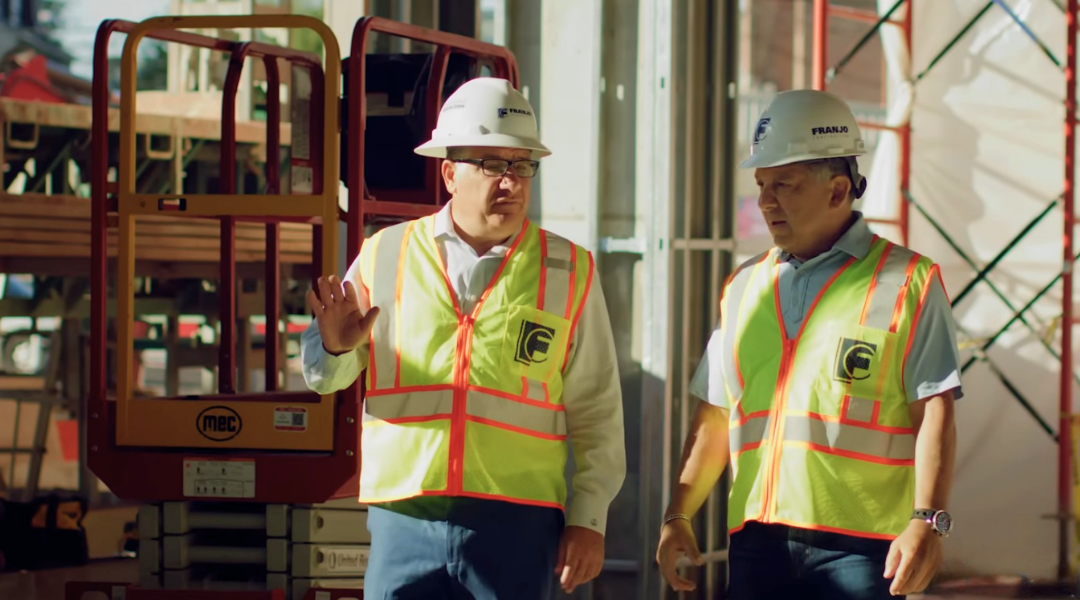
Franjo Construction with Surety Partner

The First Breakthrough: Peters Township Bus Garage

Franjo Construction’s first bonded project was a public bus garage project in Peters Township. At the time, it was a major milestone. “It felt enormous,” Joe said. However, that project was just the beginning.

“Once we received that first bond, it catapulted us into other projects,” Joe explained. That initial opportunity created powerful momentum. “If we didn’t get that first bond, we wouldn’t be where we are today.” Each subsequent project strengthened their credibility, experience, and bonding capacity.

“Thanks to that bond, we were awarded the Peters Township job,” Frank added. “And 25 years later, we’re still working with that same architect.” This long-term relationship is a testament to how one opportunity, backed by the right surety support, can shape a new company’s entire trajectory.

Read More: 10 Tips for Increasing Your Bonding Capacity

Why Bonding Is More Than a Bidding Requirement

Many contractors think of bonding as a box to check before bidding on certain jobs. However, Frank and Joe learned that it’s much more than that. By working with the right surety partner, a strong bonding relationship can help contractors take strategic steps to achieve their most ambitious growth goals.

“BOSS Bonds is the buffer between us and the underwriter,” Joe explained. “Rich knows how to speak their language.” With BOSS Bonds’ backing, Franjo Construction gradually learned how to:

  • Accurately evaluate their risk
  • Make strategic improvements to their business model
  • Present their business in the right way to underwriters
  • Steadily increase their bonding capacity over time

The key component to their successful partnership? Transparency. “My advice to anybody out there would be to be honest, commit to that company, build a good relationship with them, and tell them everything that they need to know,” Joe said. “Be a total open book.”

Rich echoed that sentiment from the surety side: “My relationship with Franjo is characterized by strong communication. They can call me anytime, and they can be very transparent with me. Transparency and communication really are the key, and we have that in spades.”

From Small Projects to Major Developments

Over the past two decades, Franjo Construction has grown significantly. “In the early years, we were bidding on projects that were $500,000 to $2 million,” Joe said. “Fast forward 20 years, and we’re bidding on projects that are $100 million plus.” This remarkable progress is due to Franjo Construction’s consistent execution, strong partnerships, and willingness to scale.

While Rich always believed in Franjo Construction, he’s still amazed by their rapid growth. “To see where Franjo is today—it’s been an amazing journey. After building their business from scratch, they’ve achieved a level of success that’s typically associated with second- and third-generation contractors.”
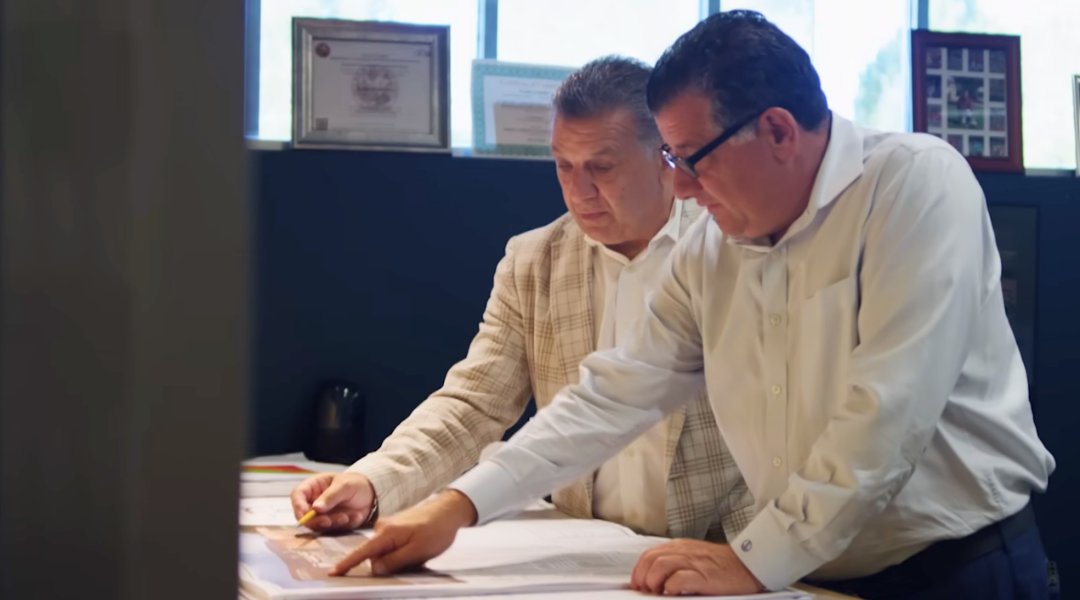
Franjo Construction Planning

A Partnership Built on Trust

After reflecting on their nearly 30 years in the commercial construction industry, both Leonello brothers believe their surety partnership played a pivotal role in their success. “Our bonding partnership is essentially our lifeblood,” Frank said. “Next to our bank, it’s one of the two most important things we have.”

For this reason, Franjo Construction continues to work closely with BOSS Bonds today. “We’ve been approached by many different bonding agents over the years,” Joe revealed. “But we’ve remained loyal because working with BOSS Bonds has been a seamless experience."

Read More: 9 Questions Contractors Should Ask Their Surety Bond Agency

Franjo Construction’s Advice for the Next Generation of Contractors

As the Leonello brothers look ahead, they want to instill their values of hard work, transparency, and strong partnerships into Franjo Construction’s next generation of leadership. One of Frank’s top pieces of advice for new contractors is: “Create a relationship with a bonding company that allows you to grow, and lean on their expertise.”

Joe offered a similar perspective, emphasizing the importance of transparency and commitment. “Be honest. Commit to your bond partner. Give them the information they need so they can help you get what you need in the future."

If you’re a contractor who wants to follow in Franjo Construction’s footsteps, the main takeaway from their story is simple: success isn’t just about winning bids—it’s about building the right relationships.

Read More: The Importance of Prequalification in Public and Private Sector Construction Projects

Let BOSS Bonds Be Part of Your Success Story
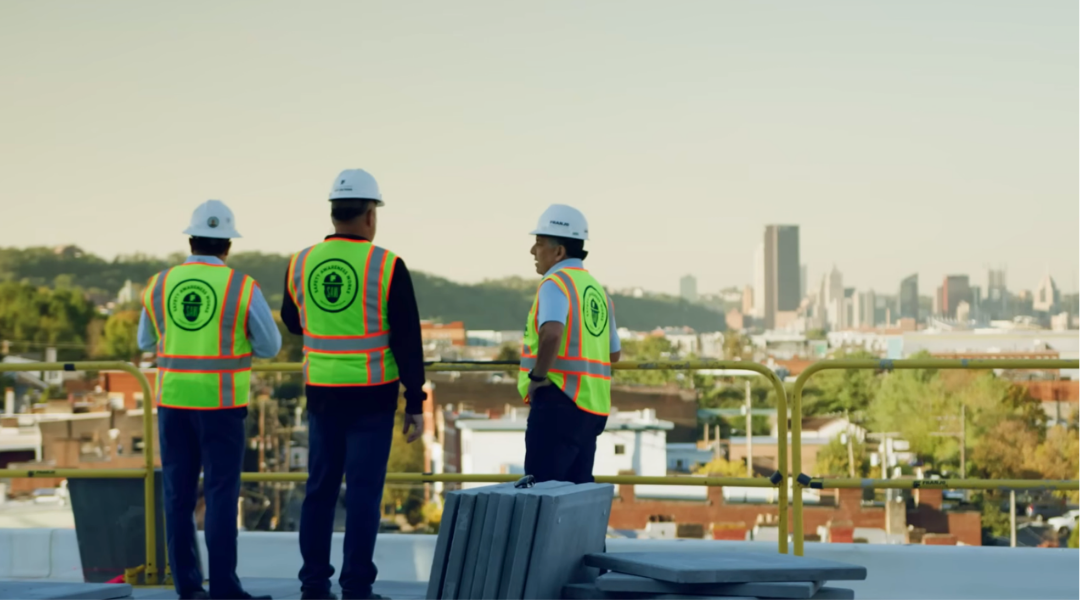
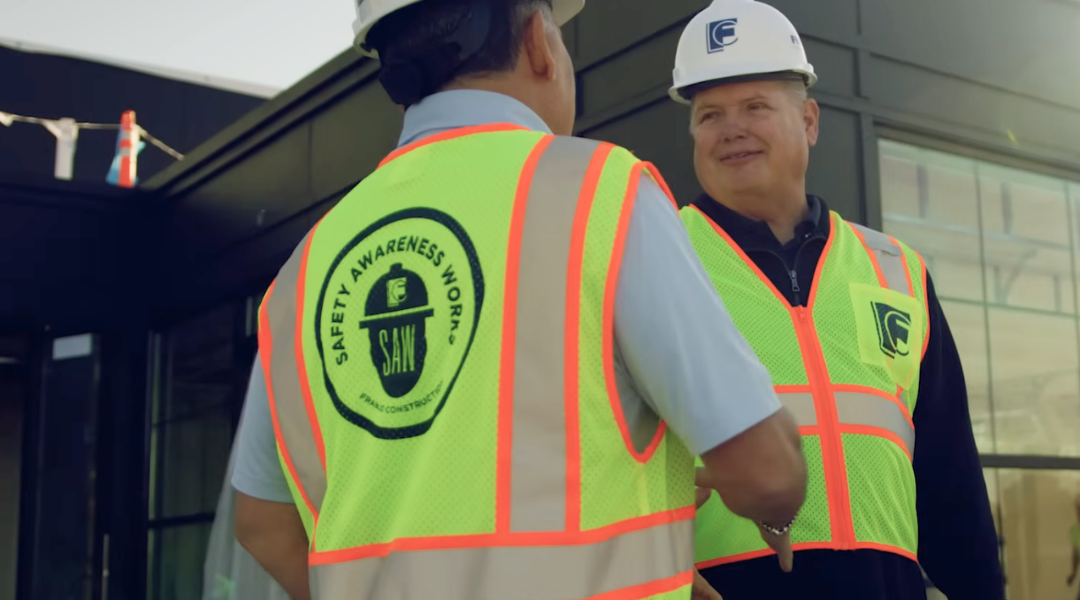
Franjo Founders with Surety Partner

At BOSS Bonds, we believe in the power of long-term construction surety partnerships. When you partner with our team, we’ll work outside of the box to get you bonded and develop a strategic roadmap to help you achieve your growth goals.

With our support, transparency, and expert guidance, we can help you secure the bonding capacity you need so you can grow your business with confidence.

Ready to pursue bigger construction opportunities? Book a free bid readiness prequalification consultation with BOSS Bonds today!
How did a surety partnership help Franjo Construction grow from a denied application to $100 million-plus projects?

  • The first bond application was denied due to limited financial history and no project resume, a common experience for new contractors that does not reflect their capability or long-term potential
  • BOSS Bonds evaluated character and commitment alongside financial standing, which led to a decision to work with the Leonello brothers when other surety providers had declined them outright
  • A clear roadmap was provided from the beginning, outlining the specific financial and operational steps Franjo Construction needed to take in order to qualify and progressively increase their bonding capacity
  • Each completed project strengthened the next application, creating a compounding track record that allowed the brothers to move from projects valued at $500,000 to $2 million in their early years to projects exceeding $100 million today
  • The surety partner functioned as an advocate with underwriters, translating Franjo Construction's story and progress into terms that underwriting could evaluate favorably at each stage of growth

Why do contractors often hit a bonding ceiling early in their growth and how can they break through it?

  • Bonding capacity is determined by financial strength, project experience, and business management systems, all of which take time to develop and must be built deliberately rather than assumed to follow from ambition alone
  • New contractors frequently underestimate how rigorous the surety underwriting process is, assuming bonding works like a simple purchase rather than a financial evaluation that requires documented proof of capability
  • A surety partner who specializes in contractor growth can identify the specific gaps in a contractor's profile that are limiting their capacity and provide actionable guidance for closing them
  • Incremental wins matter significantly, as each successfully completed bonded project adds to the financial record and project resume that underwriters use to evaluate future applications
  • Working with a surety provider early, before bonding is urgently needed, gives contractors the time to build the relationship and track record that will support larger capacity when the opportunity to bid on major projects arrives

What does a long-term surety partnership actually involve beyond issuing individual bonds?

  • A strategic surety relationship includes ongoing financial guidance to help contractors understand how their balance sheet, working capital, and project mix affect their bonding eligibility and capacity limits
  • The surety partner serves as a buffer and advocate between the contractor and the underwriter, translating the contractor's business narrative and progress in terms that underwriting criteria can evaluate and approve
  • Renewal conversations are opportunities to reassess capacity and set growth targets, rather than routine administrative steps, and contractors who approach them that way get more value from their surety relationship
  • Transparency from the contractor side directly determines how effectively the surety partner can advocate, because the partner can only represent what they know, and surprises in underwriting tend to work against the contractor
  • The relationship Frank and Joe Leonello describe positions BOSS Bonds alongside their bank as one of the two most important business partnerships they have, which reflects how central surety capacity is to their ability to pursue the work they want to win

Why is character evaluated alongside financials in surety underwriting and what does that mean in practice?

  • Surety underwriting considers the three Cs: capital, capacity, and character, and character encompasses the contractor's integrity, transparency, business conduct, and demonstrated commitment to completing obligations
  • A strong character evaluation can offset a weaker balance sheet in early-stage applications where financial history is limited but the contractor's track record of conduct and communication is compelling
  • Rich Taylor at BOSS Bonds chose to work with Franjo Construction specifically because of character, describing it as preferable to a strong balance sheet without the underlying commitment that makes a contractor reliable over the long term
  • Character is demonstrated through consistent communication and full disclosure, which is why the Leonello brothers' advice to new contractors centers on honesty and transparency rather than financial preparation alone
  • This dimension of underwriting is one reason why the relationship with the surety partner matters, because a partner who knows the contractor well can effectively communicate their character to underwriters in ways that a cold application cannot

What role does the first bonded project play in a contractor's long-term growth trajectory?

  • The first bonded project establishes the foundation of a contractor's project resume, which is one of the primary inputs underwriters use to evaluate future capacity requests
  • Winning that first project requires both the bond and someone willing to advocate for an unproven contractor, which is why finding the right surety partner before the first opportunity arises is more valuable than searching for one under deadline pressure
  • Franjo Construction's first project created relationships that have lasted 25 years, including with the architect who awarded that initial contract, illustrating how a single well-executed early project can define a company's network and reputation for decades
  • Each subsequent project compounds the value of the first, adding to the financial record, refining the business model, and expanding the team's experience in ways that support progressively larger bonding capacity
  • Contractors who treat early projects as reputation-building opportunities rather than revenue events tend to accumulate the credibility that makes the transition to larger work smoother and faster

What practical advice do the Franjo Construction founders offer to contractors who want to grow into larger projects?

  • Build a relationship with a surety partner before you need one urgently, so that by the time a major opportunity arrives the partner already understands your business, your goals, and your track record
  • Be a total open book with your surety partner, sharing financial information, project challenges, and business changes proactively rather than only when required, because transparency is what allows the partner to advocate effectively on your behalf
  • Commit to one surety relationship rather than shopping opportunistically, as the depth of a long-term partnership provides access to advocacy and guidance that transactional relationships do not
  • Lean on your surety partner's expertise in how to present your business to underwriters, because the language and framing that resonates with underwriting is a skill the partner has developed and the contractor benefits from directly
  • Treat bonding capacity as a strategic business resource, planning around it and investing in the financial and operational improvements that expand it, rather than treating it as an external constraint that limits what you can pursue

Get latest articles directly in your inbox, stay up to date