

Listen to this post
Post Summary
What bonds are required for federal construction projects and why?
What factors do surety providers evaluate when underwriting a contractor for federal project bonds?
What issues most commonly prevent contractors from pursuing federal projects during bidding?
What does it mean for a contractor to be bond-ready?
What four steps can contractors take now to improve their bonding readiness for federal work?
Federal Projects Are Picking Up—Are You Ready to Bid?
As construction season ramps up, federal infrastructure projects are creating new bidding opportunities for contractors across the country. These projects often offer larger contract values, longer-term pipelines, and increased business visibility. In turn, they create significant growth opportunities for ambitious contractors.
Before you can bid on these projects, you need to fulfill one key requirement first: obtaining the required surety bonds. That’s because most federal construction projects require you to obtain certain surety bonds to participate in the bidding process.
Many contractors wait until the last minute to think about bonding, only to discover they aren’t fully prepared for underwriting review. Below, we explain how to become bond-ready and compete for projects with confidence.
Federal Work Is Available, But Not Everyone Can Pursue It
Increased federal infrastructure funding continues to generate new construction opportunities across transportation, utilities, public facilities, and other government-funded sectors. As more projects enter the bidding phase, competition among contractors is also increasing.
However, not every qualified contractor is automatically positioned to pursue federal work. Even experienced contractors may encounter limitations when bonding requirements enter the picture. For instance, some contractors may discover that their:
- Bond capacity is lower than expected
- Financial documentation is outdated or insufficient
- Existing backlog limits their ability to take on additional work
- Underwriting profile needs improvement
- Surety relationship is underdeveloped
These issues can prevent otherwise qualified contractors from pursuing federal projects they have the experience and operational capacity to successfully complete.
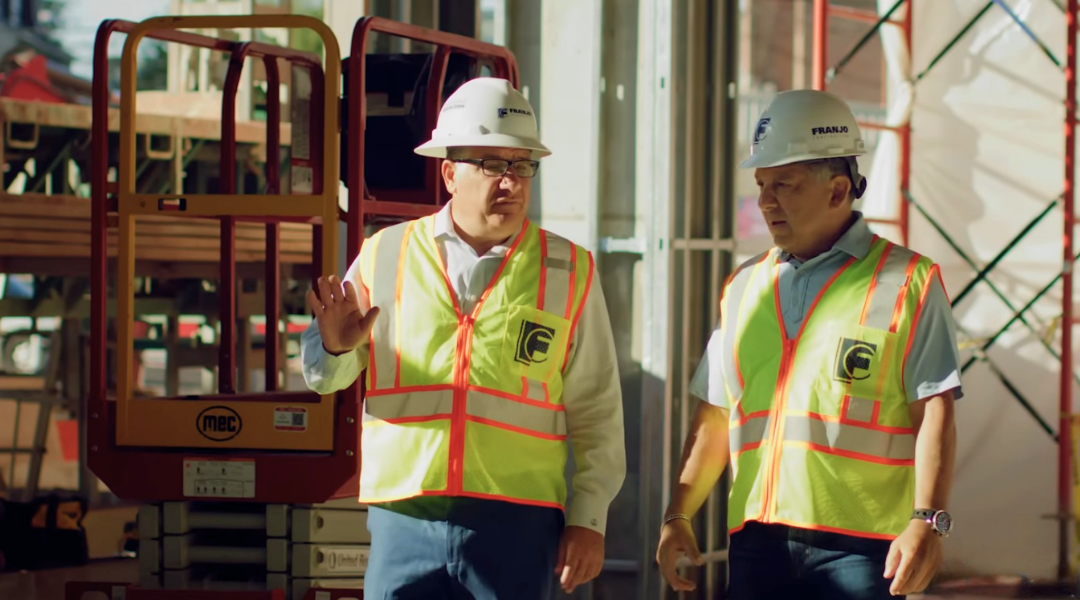
Read More: How Franjo Construction’s Surety Partnership Helped Them Win $100M+ Projects
Why is Bonding Required on Most Federal Projects?
Most federal construction projects require contractors to obtain surety bonds under the Miller Act. The three most common bond types required by this legislation include:
- Bid bonds: A bid bond guarantees that the contractor will honor their bid and move forward with the contract if selected for the project.
- Performance bonds: A performance bond guarantees that the contractor will complete the project according to the contract terms.
- Payment bonds: A payment bond helps protect subcontractors, suppliers, and laborers by guaranteeing payment for qualified project-related work and materials.
These bonds reduce financial risk for project owners and other project stakeholders. They also determine whether contractors can participate in the bidding process.
If you can’t obtain the right bonds before bid week, you may be unable to pursue many federal opportunities, regardless of your construction experience.
What Issues Can Hold Contractors Back During the Bidding Process?
Many contractors don’t encounter bonding problems until they start actively preparing a bid for a federal project. Some common obstacles you may face include:
- Waiting until bid week: One of the biggest mistakes contractors make is waiting until the final stages of the bidding process to contact a surety provider. This often leaves insufficient time to resolve underwriting issues, organize financial documentation, or address any contractor bonding capacity concerns.
- Limited or unknown bonding capacity: Some contractors assume they can pursue larger federal jobs without considering their current bonding restrictions. When they finally apply, they may find out that their current bonding capacity is too limited to support the size or number of projects they want to pursue.
- Weak or disorganized financials: Financial statements play a major role in surety underwriting. Incomplete records, outdated statements, or inconsistent reporting can slow down contractors’ approvals and reduce their bonding capacity.
- No established surety relationship: Contractors who only contact their surety provider when they urgently need a bond may face longer review timelines. By developing a strong relationship with their surety in advance, they can often enjoy smoother communication and faster underwriting support.
- Misunderstanding their underwriting expectations: Sureties consider more than an individual project when underwriting a bond. They also examine the contractor’s overall business operations, backlog, financial health, and project history. Contractors who underestimate these requirements may encounter avoidable underwriting delays or bonding limitations.
Read More: The Importance of Prequalification in Public and Private Sector Construction Projects
What Does “Bond-Ready” Mean?
Many contractors assume that bonding simply involves filling out an application and waiting for approval. In reality, becoming bond-ready, or prequalified, requires ongoing financial and operational preparation.
To become a bond-ready contractor, you typically need:
- Up-to-date financial statements
- A track record of successfully completed projects
- A clear understanding of your current backlog and WIP schedules
- Defined single-job and aggregate bonding capacity
- Strong communication with your surety partner
Preparing these elements in advance is essential. When you’re well prepared, your underwriting team can move much faster, enabling you to promptly bid on more lucrative projects as opportunities arise.
Read More: How Smart Financial Planning Helps Contractors Win Bigger Projects and Drive Growth
Benefits of Preparing for the Bidding Process in Advance
Contractors who proactively prepare for bonding are generally in a much stronger position to bid and win federal projects. That’s because early preparation helps them:
- Respond faster when projects enter the bidding phase
- Pursue larger or more complex jobs
- Avoid last-minute underwriting surprises
- Strengthen their credibility with project owners and stakeholders
In contrast, contractors who delay their bonding preparation may find themselves rushing to gather documentation or trying to resolve unexpected underwriting issues under tight deadlines.
Read More: Why Prequalification Matters Before You Bid on a Construction Project
How to Prepare Before Your Next Bid
If you’re planning to pursue federal construction projects this season, there are several steps you can take now to improve your bonding readiness. These steps include:
- Talking to a surety partner early on: Early conversations with a surety expert can help you understand your current bonding position and identify potential areas for improvement before bid deadlines approach.
- Reviewing your financials: Working closely with your certified public accountant (CPA) can help you ensure that your financial statements are accurate, organized, and up to date before submitting them to your surety.
- Understanding your bonding limits: Your bonding capacity determines the size and number of projects you can pursue at one time, so you should have a clear understanding of it before placing any new bids.
- Identifying operational gaps: Finally, review your current backlog, staffing capacity, project management processes, and internal controls to determine whether your company is truly ready to support additional work.
By treating bonding as a key part of your business planning, rather than a last-minute requirement, you can position your company to pursue federal opportunities more confidently and competitively.
Read More: 10 Tips for Increasing Your Bonding Capacity
Prepare for Federal Project Opportunities With BOSS Bonds
If you want to bid on federal construction projects this year, your success hinges on your bonding readiness. Preparing in advance can help you strengthen your bond capacity, enjoy faster approvals, and actively participate in the bidding process.
At BOSS Bonds, we regularly help contractors understand their bonding readiness and prepare for upcoming opportunities with confidence. If you plan to pursue larger federal projects this year, we can help you strengthen your bonding readiness before bid opportunities arise.
Want to grow your contracting business in 2026? Book a prequalification consultation with BOSS Bonds today!
Sources:
GDI Consulting. Inside the 2025 Construction Contract Surge.
https://www.gdicwins.com/articles/inside-2025-construction-contract-surge/
Infrastructure Report Card. Funding and Financing U.S. Infrastructure.
https://infrastructurereportcard.org/funding-and-financing-u-s-infrastructure/
Acquisition.gov. 28.102-1 General.