
Listen to this post
Post Summary
Do subcontractors need bonds on federal construction projects?
Which specialty trades are most likely to encounter subcontract bonding requirements?
What should specialty subcontractors prepare before pursuing federal work?
What are the seven most common mistakes that slow specialty subcontractors down on federal work?
When should a specialty subcontractor engage a surety professional?
Federal Construction Opportunities: A Readiness Guide for Specialty Subcontractors
As federal construction activity increases, specialty subcontractors may be called on to perform critical scopes of work, including structural steel, concrete, electrical, mechanical, and more. These projects can help subcontractors expand their portfolios and build relationships with experienced prime contractors.
However, federal construction projects may also come with higher expectations than many private commercial projects, from more detailed qualification reviews to subcontract bonding requirements.
If you want to capitalize on upcoming federal opportunities, the best time to prepare is before the prime calls. Read on to learn how to proactively strengthen your bonding readiness and position your business to win future federal work.
Why Federal Work Matters for Specialty Subcontractors
Federal construction projects often create downstream opportunities for qualified subcontractors who specialize in the following trades:
- Structural steel
- Concrete
- Sitework and excavation
- Mechanical systems
- Electrical systems
- Utilities
Participating in federal projects can help subcontractors strengthen their reputation, build relationships with larger general contractors, and position themselves for public-sector opportunities in the future.
Since federal projects often feature larger contract values and more complex scopes of work, prime contractors often conduct more detailed evaluations before awarding specialty scopes. Preparing ahead of time can help subcontractors move through the qualification process more efficiently when the prime calls.
Read More: Federal Projects Are Picking Up — Are You Ready to Bid?
How Does Federal Construction Work Differ From Private Projects for Subcontractors?
Many specialty subcontractors have extensive field experience. While the scope of federal work may be similar to private projects, the expectations surrounding it can be more rigorous. For example, subcontractors may encounter:
- More formal procurement and documentation expectations
- Detailed qualification reviews
- Additional financial documentation requests
- Stricter contract requirements and timelines
- Increased scrutiny of project experience and capacity
- More comprehensive safety and compliance expectations
- Potential subcontract bonding requirements
Understanding these expectations before pursuing federal construction projects can help subcontractors avoid unnecessary delays as new opportunities become available.
Will Subcontractors Need Bonds on Federal Projects?
Not every specialty subcontractor working on a federal construction project will need a bond. In most cases, the prime contractor is responsible for obtaining the primary bid bond, performance bond, and payment bond.
However, some subcontractors may need to obtain their own subcontract performance bonds, payment bonds, or both. Bonding requirements often depend on the:
- Subcontract size
- Trade scope involved
- Overall project risk
- Prime contractor's internal risk management practices
- Specific contract requirements
Subcontractors performing larger or more complex scopes of work may be more likely to encounter bonding requests, especially if their work has a significant impact on the project's schedule, structural integrity, or completion.
Discussing potential bonding requirements early can help subcontractors prepare more accurate project estimates and avoid last-minute surprises.

Why Steel and Concrete Subcontractors Should Pay Attention
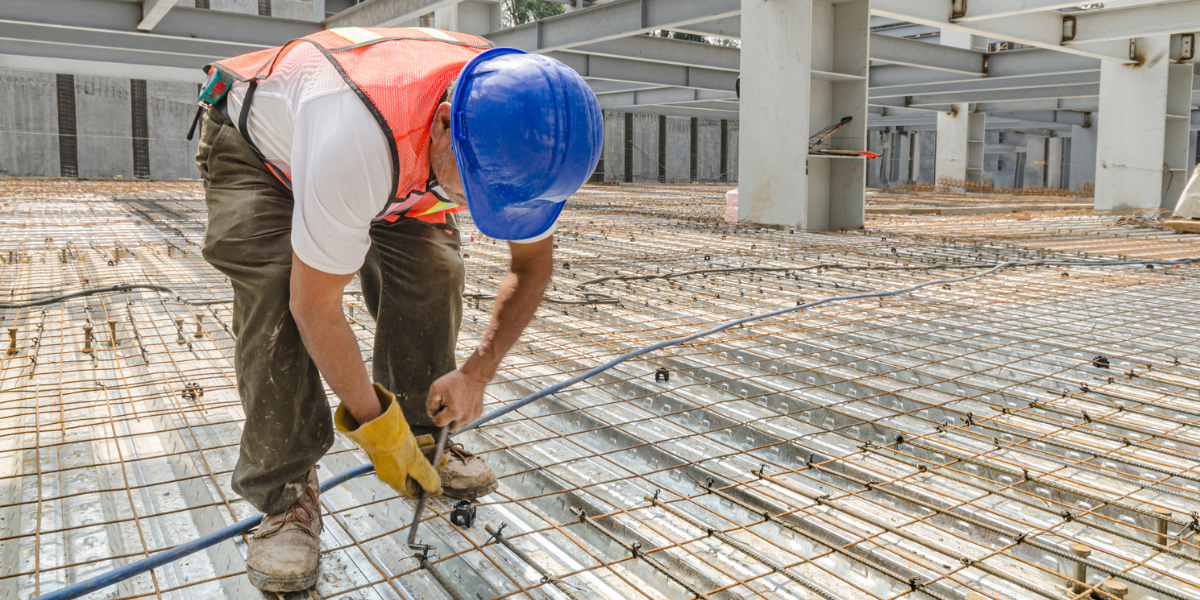
While many specialty trades may encounter subcontract bonding requirements, prime contractors often pay the closest attention to steel and concrete subcontractors. That’s because these trades frequently establish the foundation for later phases of construction. Their delays can affect project sequencing, inspection schedules, material deliveries, and the work of multiple downstream trades.
These two scopes of work also often involve significant:
- Material costs
- Equipment requirements
- Labor coordination
- Scheduling responsibilities
- Performance risk
For these reasons, prime contractors may want documented assurance that steel and concrete subcontractors have the experience, financial strength, and operational capacity to successfully complete their work. They may also request subcontract bonds to help manage project risk.
What Specialty Subcontractors Should Have Ready Before the Prime Calls
Federal construction opportunities often move quickly once prime contractors begin assembling project teams. Preparing your business information in advance can help you respond confidently when a prime contractor requests it.
Here is some information you may be asked to provide:
Current Financial Information
Financial information plays an important role in surety underwriting, so it’s a good idea to gather your:
- Year-end financial statements
- Interim financial statements, if available
- Current work-in-progress (WIP) schedules
- Cash flow, receivables, and debt
- Other financial records that accurately reflect your current business operations
Project History
Past performance is another important underwriting consideration. Prime contractors and sureties often evaluate your previous experience by reviewing your:
- Completed projects of similar size and scope
- Previous public or federal project experience, if applicable
- Comparable private-sector projects
- References from owners, general contractors, or prime contractors
Even if your company has limited federal experience, demonstrating successful completion of private projects can help establish credibility.
Current Backlog and Capacity
Prime contractors want to feel confident that you can successfully complete your work without becoming overextended. As a result, they may request your:
- Current project backlog
- Upcoming contractual commitments
- Workforce and equipment availability
Safety and Compliance Records
Safety performance is another crucial factor on many public construction projects. Depending on the project, you may be asked to provide your:
- Safety history
- OSHA-related documentation
- Experience Modification Rate (EMR)
- Internal safety procedures
- Required licenses, certifications, or trade qualifications
Bonding Information
Even if the next federal project you're pursuing doesn't require a bond, understanding federal construction subcontractor bonding requirements can make it easier to pursue larger public projects in the future. After all, the goal isn’t simply to secure one subcontract—it's to build a stronger bonding profile that positions your business for future opportunities.
You can prepare for future bonding requests by documenting your:
- Current surety relationship, if applicable
- Surety partner’s contact information
- Existing single-job and aggregate bonding capacity
- Previous bond history
- SBA-supported surety bond program eligibility
7 Common Mistakes That Can Slow Specialty Subcontractors Down
Many subcontractors have the technical skills to perform federal work. However, they may miss out on opportunities as a result of:
- Waiting until a bond request: Some subcontractors don't contact a surety professional until after a prime contractor requests a bond, leaving them with limited time to gather documentation and address underwriting concerns.
- Assuming bonding only affects the prime contractor: While the prime contractor typically provides the primary project bonds, subcontractors may also need to obtain subcontract performance bonds or payment bonds, depending on the project.
- Not understanding current bonding capacity: Some subcontractors pursue larger opportunities without verifying whether their current bonding capacity supports them.
- Submitting outdated financial information: Incomplete or outdated financial statements can slow underwriting reviews.
- Overlooking the impact of backlog: Taking on additional work without understanding how their current backlog affects capacity can create challenges for subcontractors during the bonding process.
- Pricing work before understanding bonding requirements: If bonding is required, subcontractors who don't account for potential bond costs and documentation requirements may underestimate the true cost of the project.
- Taking on more work than the business can reasonably support: Subcontractors who pursue projects that exceed their financial or operational capacity may struggle to successfully complete the work.
How BOSS Bonds Helps Specialty Subcontractors Prepare
Whether you’re pursuing your first bonded subcontract or seeking more federal construction projects, understanding your bonding position can help reduce unnecessary stress and delays.
At BOSS Bonds, we can help you understand surety bonds for subcontractors and your SBA eligibility, if applicable. We work with multiple surety markets, enabling us to support subcontractors of various sizes.
Preparing Now Can Help You Respond Faster Later
Federal construction opportunities can move quickly once prime contractors begin assembling their project teams. Specialty subcontractors who prepare ahead of time are often better positioned to compete for these high-value opportunities.
If federal construction work is part of your company's growth strategy, there’s no better time than the present to understand your bonding options. Contact BOSS Bonds today to strengthen your bonding readiness and prepare for your next opportunity!
Sources:
GDI Consulting. Inside the 2025 Construction Contract Surge.
https://www.gdicwins.com/articles/inside-2025-construction-contract-surge/