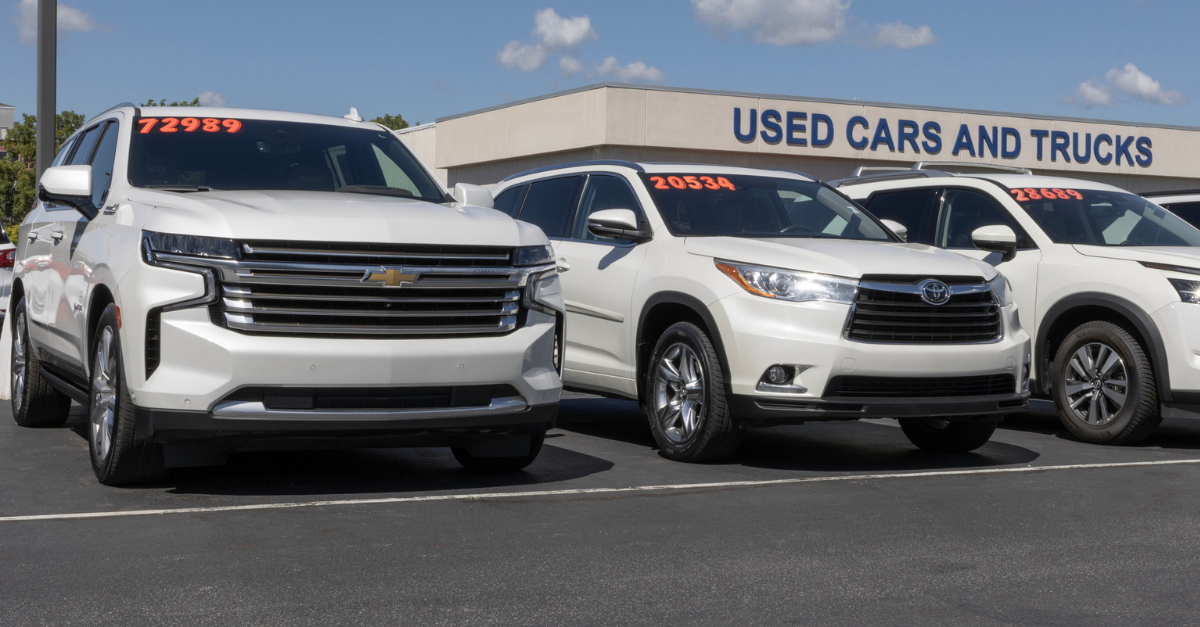

Illinois auto dealers must meet strict licensing and bonding requirements to operate legally. This guide explains how Illinois motor vehicle dealer bonds work, who needs one, and what steps dealers should take to stay compliant and avoid penalties.
Listen to this post
Post Summary
Do contractors need surety bonds to bid school and municipal construction projects?
Not always, but most publicly funded school and municipal construction projects do require contractors to submit a bid bond with their proposal and provide performance and payment bonds upon contract award. Requirements vary depending on the project, the public owner, applicable state laws, and the specific bid documents.
What are the four types of contract bonds contractors may encounter on public projects?
Bid bonds, which assure the project owner the contractor is bidding in good faith and can provide required performance and payment bonds if awarded the contract. Performance bonds, which guarantee the contractor will complete the project according to contract terms. Payment bonds, which guarantee timely payment to eligible subcontractors, suppliers, and laborers. Maintenance bonds, which protect project owners against workmanship or material defects for a specified period after project completion — required on some but not all public projects.
How does public construction bidding differ from private commercial work?
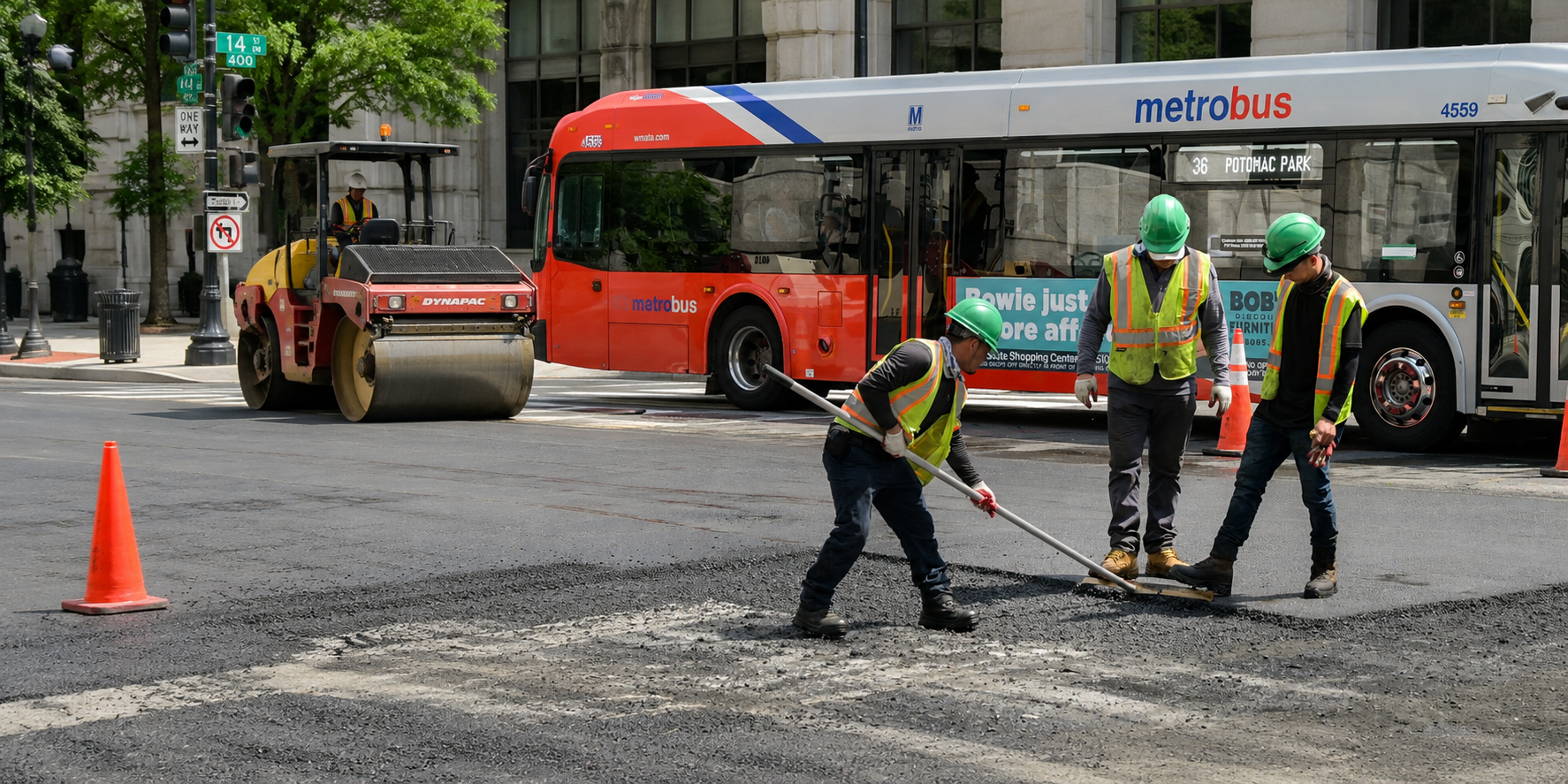
Public projects follow a more formal bidding process designed to ensure responsible use of taxpayer funds. Unlike private projects that often involve direct negotiation, public bids typically require detailed bid forms, pricing documents, certifications, references, and bonding documentation. Requirements vary by state, municipality, school district, funding source, and project size.
What documents should contractors prepare before requesting a surety bond for a public project?
Five categories of documentation are typically required: basic business information including legal name, ownership details, years in business, and contractor license information; project details including project name, public owner, bid date, estimated contract amount, and expected start and completion dates; financial information including financial statements, tax returns, bank information, debt details, and work-in-progress schedules; experience and project history including completed projects of similar size and scope and references from owners, architects, or general contractors; and current workload information including active projects, upcoming commitments, and workforce and equipment availability.
What are the eight most common mistakes contractors make when bidding public work for the first time?
Assuming bonds are only required for federal projects. Waiting until the bid deadline approaches to discuss bonding. Overlooking bid bond requirements, which can result in immediate proposal rejection. Not understanding the distinct purpose of each bond type. Submitting incomplete financial or project documentation. Pursuing projects beyond current financial or operational capacity. Failing to account for bond costs when finalizing bids. Assuming that strong commercial experience automatically qualifies a contractor for public work procurement requirements.
What happens if an Illinois dealer operates without a bond?
Dealers who fail to secure or maintain the required bond may face license denial, suspension, revocation, or other regulatory penalties from the Illinois Secretary of State.
How can dealers obtain an Illinois auto dealer bond?
Illinois dealers can apply for a motor vehicle dealer bond through a licensed surety provider like BOSS Bonds. Our online application process is quick and easy.